intermediate bulk container
If you need a practical and efficient way to store, handle, and transport liquids or bulk materials, an Intermediate Bulk Container (IBC) can be an excellent solution. Designed to hold substantial quantities while remaining easier to handle than traditional drums or tanks, IBCs are widely used across agriculture, manufacturing, food processing, chemical industries, construction, and many other commercial applications.
An IBC combines the convenience of a large-volume container with a design that makes filling, moving, storing, and dispensing products relatively straightforward. Depending on the type and specification, IBC tanks can be used for liquids, semi-liquids, and certain bulk materials.
Whether you are looking for a new IBC tank or a used Intermediate Bulk Container, choosing the right size, material, and specification is important to ensure it is suitable for your intended application.
What Is an Intermediate Bulk Container?
An Intermediate Bulk Container, commonly known as an IBC, is a reusable container designed for the storage and transportation of bulk quantities of liquids and other materials.
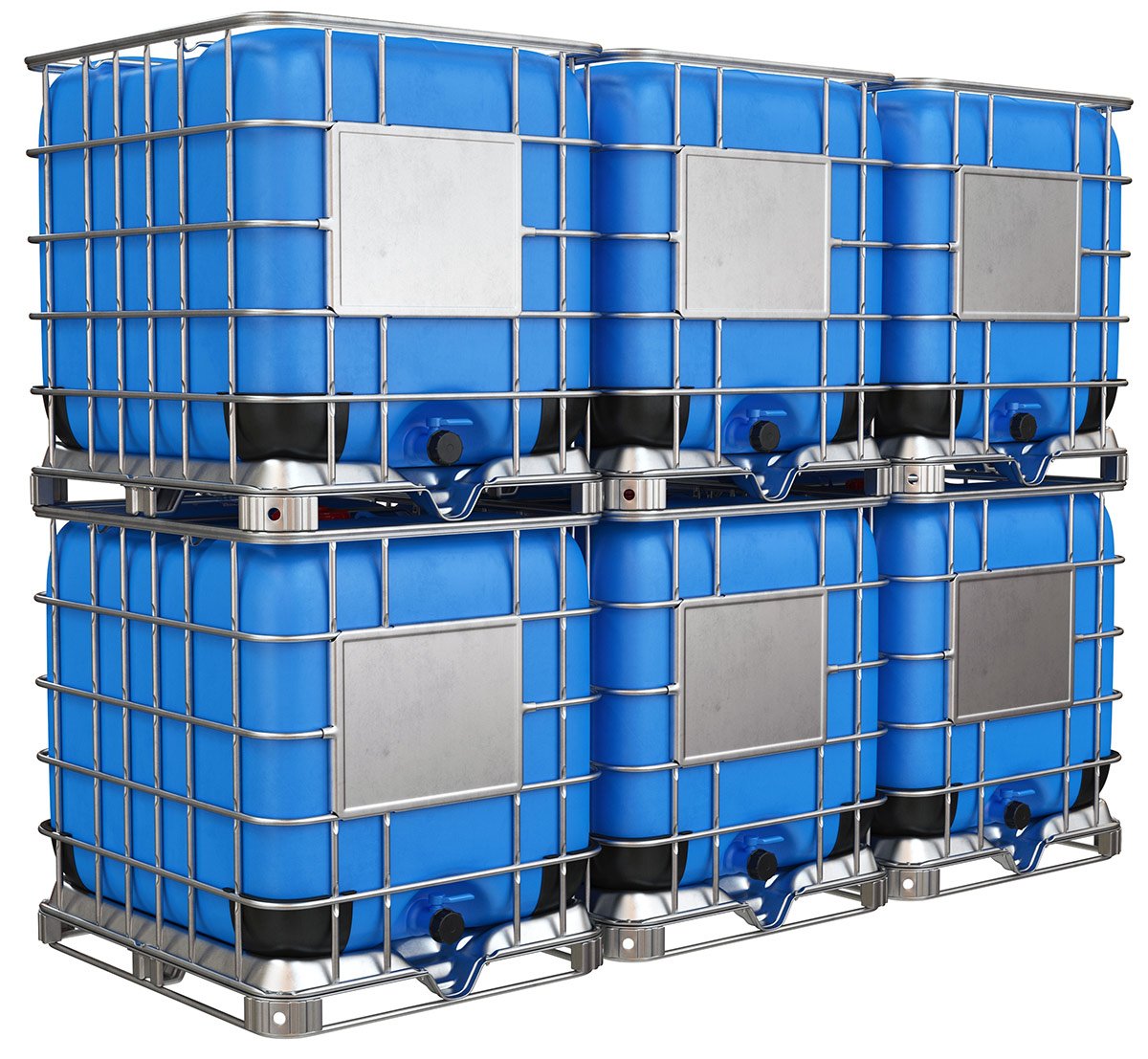
Many commonly used IBCs feature a rigid plastic inner bottle surrounded by a galvanized or steel cage. The outer frame provides additional protection and allows the container to be moved using suitable handling equipment.
A typical IBC design includes a filling opening at the top and a discharge valve near the bottom. This configuration makes it easier to fill the container and dispense its contents when required.
IBC containers come in different capacities, but 1,000-liter IBC tanks are among the most widely used options. Smaller and larger capacities may also be available depending on the manufacturer and application. intermediate bulk container
Efficient Bulk Storage
One of the main benefits of an IBC tank is its ability to store a relatively large quantity of product without taking up the same amount of floor space as multiple smaller containers.
Instead of using numerous drums, businesses can consolidate material into larger units. This can simplify inventory management, reduce handling requirements, and make filling and dispensing more convenient.
The stackable design of many IBC models can also help businesses make better use of available warehouse or storage space. However, stacking should only be carried out when the specific container is designed and approved for that purpose.
Strong and Practical Design
An IBC is designed to combine durability with ease of handling. The rigid inner container holds the product, while the surrounding cage provides structural support and protection.
Many IBCs are mounted on a pallet-style base, allowing suitable forklifts or pallet-handling equipment to move them around a warehouse or industrial site.
The exact construction varies between models. Before purchasing an IBC, check its specifications, including material, capacity, valve type, dimensions, weight rating, and compatibility with the intended product.
Common Uses for IBC Containers
Intermediate Bulk Containers are used across a wide range of industries. Their versatility makes them useful for both commercial and industrial applications.
Common uses include:
Water storage
Agricultural liquids
Fertilizers and agricultural products
Industrial liquids
Cleaning solutions
Certain food-grade products
Oils and non-hazardous fluids
Manufacturing materials
Rainwater collection
Construction-site liquids
Bulk liquid transportation
Industrial processing applications
Not every IBC is suitable for every material. Product compatibility should always be confirmed before filling an IBC, particularly when dealing with chemicals, food products, or other regulated materials.
Used Intermediate Bulk Containers
For businesses working with non-sensitive materials, a used IBC container can provide an economical alternative to buying a new unit.
Used IBCs can vary considerably in condition and previous use. Some may have been used for food-grade materials, while others may have previously contained industrial products.
This is why knowing the container's history is important. Before purchasing a used IBC, ask about its previous contents, cleaning process, condition, valve, cap, cage, pallet, and suitability for your intended application.
If you plan to use the container for drinking water, food products, or sensitive materials, make sure the specific IBC is appropriately certified and has a verified history suitable for that purpose.
Easy Filling and Dispensing
The design of an IBC makes everyday handling convenient. Most models have a large opening at the top for filling and a lower outlet valve for dispensing.
The bottom discharge point can be particularly useful when transferring liquid into smaller containers or connecting the IBC to compatible equipment.
Before using an IBC, inspect the valve, gasket, cap, and fittings to ensure they are in good condition. Replacement components may be available for certain models if parts become worn or damaged.
IBC Tanks for Agriculture
Agricultural businesses can use IBC tanks for a variety of purposes, including water storage and certain agricultural liquids.
Their relatively large capacity makes them useful for farms and agricultural operations where materials need to be stored or transported around a property.
IBC tanks can also be useful for collecting and storing rainwater for appropriate non-potable applications.
If an IBC is being used for agricultural chemicals or fertilizers, always verify that the container's material and specifications are compatible with the product.
IBC Containers for Industrial Applications
Manufacturing and industrial businesses often need efficient ways to store and move bulk liquids. IBC containers can help simplify these processes by providing a standardized, manageable storage format.
They can be moved around facilities using appropriate material-handling equipment and positioned near production or dispensing areas.
For industrial use, businesses should pay close attention to chemical compatibility, temperature limitations, pressure requirements, and applicable safety regulations.
Choosing the Right IBC Container
Not every IBC is the same, so choosing the correct model is important.
Before purchasing, consider:
Capacity: Determine how much material you need to store or transport.
Material: Check whether the inner container is suitable for your product.
Previous use: This is particularly important when purchasing a used IBC.
Valve type: Make sure the outlet is compatible with your transfer equipment.
Condition: Inspect the bottle, cage, pallet, cap, and valve.
Certification: Confirm whether specific certifications are required for your application.
Storage environment: Consider temperature, sunlight, weather exposure, and other environmental conditions.
Transportation: Make sure the IBC meets the requirements for your intended method of transport.
Taking the time to check these factors can help you avoid compatibility and handling problems later.
Buy Intermediate Bulk Containers
An Intermediate Bulk Container provides a convenient way to store and handle bulk quantities of liquids and certain other materials. Its combination of capacity, portability, and practical design makes it useful for agriculture, manufacturing, construction, warehouses, and many other applications.
Whether you need a new IBC or a used IBC container for sale, choose a unit based on the material you plan to store, the required capacity, and the condition and specifications of the container.
If you are unsure which IBC is suitable for your application, speak with a knowledgeable supplier before purchasing. For chemical, food, pharmaceutical, or regulated applications, always confirm compatibility and certification requirements.
1. What is an Intermediate Bulk Container?
An Intermediate Bulk Container, or IBC, is a reusable bulk container designed primarily for storing and transporting liquids and certain other materials. Many IBCs feature a plastic inner tank surrounded by a protective metal cage.
2. What is the most common IBC size?
The 1,000-liter IBC is one of the most common sizes, although other capacities are available depending on the manufacturer and intended application.
3. What can I store in an IBC container?
IBCs can be used for various compatible liquids and bulk materials, including water, certain agricultural products, industrial liquids, and some food-grade products. Always confirm material compatibility before use.
4. Are used IBC containers safe to use?
A used IBC can be suitable for certain applications if it has been properly inspected, cleaned, and confirmed compatible with the intended contents. Its previous contents and condition should always be verified.
5. Can I use an IBC for drinking water?
Only use an IBC for drinking water when the specific container is appropriate and certified for potable-water use, with a suitable history and cleaning condition. A general-purpose used IBC should not automatically be assumed to be food-safe.
6. Can IBC containers be stacked?
Some IBCs are designed for stacking, but this depends on the specific container and manufacturer's specifications. Never stack containers beyond their approved limits.
7. How are IBC containers moved?
Many IBCs have pallet-style bases that allow them to be moved with suitable forklifts or pallet-handling equipment. Always use equipment appropriate for the container's weight and configuration.
8. Can IBC tanks be reused?
Yes. Many IBCs are designed for reuse. Before reusing one, inspect and clean it appropriately and make sure its previous contents are compatible with the new material.
9. How long does an IBC container last?
Service life varies according to the material, construction, usage, storage conditions, handling, and maintenance. Regular inspection can help identify damage or deterioration.
10. Can an IBC be used outdoors?
Some IBCs can be stored outdoors, but exposure to sunlight, extreme temperatures, and weather can affect the container over time. Follow the manufacturer's storage recommendations and protect the container when necessary.
11. Are IBC containers suitable for chemicals?
Some IBCs are specifically manufactured for compatible chemicals, but not every IBC is suitable for every chemical. Always check the container's chemical compatibility, specifications, and applicable safety requirements before use.
12. Where can I buy Intermediate Bulk Containers?
IBC containers are available from specialist container suppliers and industrial packaging companies. Compare capacity, condition, material, previous use, valve configuration, and certification before choosing a supplier. intermediate bulk container
Reviews
There are no reviews yet.
Be the first to review “intermediate bulk container” Cancel reply

Reviews
There are no reviews yet.