
Description
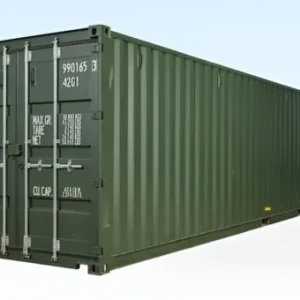
30ft shipping container for sale
Most container conversations revolve around 20 and 40-foot sizes, but there's a middle option that often gets overlooked entirely: the 30-foot shipping container. It doesn't get the same spotlight, largely because it's less common in the shipping industry itself, but for certain projects, it hits a sweet spot between space and manageability that the more popular sizes can't quite match. Here's a full look at what makes this size worth considering, and what to know before buying one.
Where the 30ft Size Fits In
Unlike 20 and 40-foot containers, which were standardized specifically for international ocean freight, the 30-foot size isn't part of that same global shipping standard. Most 30-foot containers on the market today were either specially manufactured for domestic use and resale, or custom-modified from larger 40-foot units cut down to size. That origin matters, since it affects both availability and what questions are worth asking before you buy. 30ft shipping container for sale
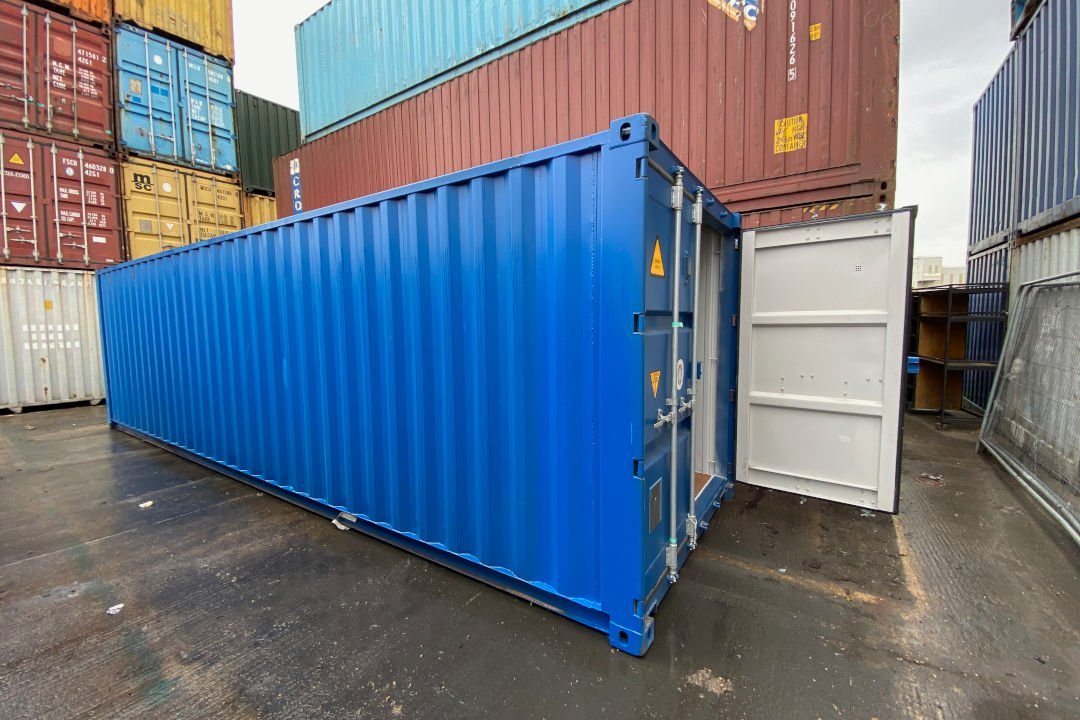
A standard 30-foot container measures roughly 30 feet in length, 8 feet wide, and 8.5 feet tall, giving you around 240 square feet of usable floor space, comfortably between the footprint of a 20 and 40-foot unit. A high cube version exists as well, adding the usual extra foot of height valuable for any conversion project involving interior finishing.30ft shipping container for sale
Why Choose 30ft shipping container Over 20 or 40ft
The appeal of this in-between size comes down to fitting projects that don't quite match either of the more common options.
More space than a 20-footer without the bulk of a 40. For projects needing more room than a single 20-foot unit but not quite justifying the size and cost of a full 40-foot container, the 30-foot size closes that gap efficiently.
Easier site placement than a 40-foot unit. Properties with moderate but not expansive space, larger backyards, small commercial lots, can often accommodate a 30-footer where a 40-foot container would require significantly more site preparation or simply wouldn't fit.
Better cost efficiency for mid-sized projects. Rather than paying for two 20-foot containers combined, or overpaying for unused space in a 40-foot unit, a single 30-foot container can hit the exact space requirement for certain builds without wasted cost.
Common Uses for a 30ft Container
This size works particularly well for home office conversions with a bit more room to spare, small workshops needing space for equipment and a workbench, and modest retail or hospitality conversions where a 20-footer feels cramped but a full 40-foot unit is more than necessary. It's also a popular choice for guest studios or accessory dwelling units where local zoning allows a moderate-sized secondary structure but not a full-size home addition.
For storage purposes, a 30-foot container offers substantial capacity for businesses or homeowners with more inventory or equipment than a 20-foot unit comfortably handles, without the added cost and footprint of a full 40-foot container.
Sourcing Considerations
Because 30-foot containers aren't part of the standard global shipping fleet, availability tends to be more limited and regionally inconsistent than 20 or 40-foot sizes. Specialty container manufacturers and dealers who focus on custom or non-standard sizes are usually the best starting point, since general storage-focused dealers may not regularly stock this size.
It's worth asking directly whether a listed 30-foot unit was purpose-built at that size or cut down from a 40-foot container. Both can be structurally sound options, but a modified unit should show clean, professional reinforcement at the cut line, and reputable sellers should be transparent about which type you're buying. 30ft shipping container for sale
New vs. Used Options
New or custom-manufactured 30ft containers offer the cleanest condition and are often purpose-built specifically for the resale market rather than repurposed from shipping use, since this size doesn't commonly circulate through international freight. Used or modified units, typically cut down from larger 40-foot containers, can offer good value but require closer inspection of the modification quality, particularly around the cut and reinforcement area. Given the smaller overall market for this size, condition grading terminology may vary more between sellers than with standard sizes, so asking detailed questions upfront matters even more here.
Pricing Expectations
Because 30-foot containers are less common, pricing doesn't always fall neatly between 20 and 40-foot costs the way you might expect. Limited regional availability can sometimes push the price per square foot higher than either more common size, particularly in areas with fewer specialty dealers. Getting quotes from multiple sources, including dealers who specialize in custom or non-standard sizes, tends to reveal more accurate and competitive pricing than assuming a straightforward midpoint between 20 and 40-foot costs.
Delivery and Placement
Delivery logistics for a 30-foot container fall between the two more common sizes, requiring more site clearance and maneuvering room than a 20-footer, but generally less than a full 40-foot unit. Confirming site access and delivery capability with your specific supplier remains an important step, especially since fewer companies handle this size regularly, meaning less standardized delivery experience compared to more common container sizes.30ft shipping container for sale
Why are 30ft shipping containers less common than 20 or 40-foot sizes? The 30-foot size isn't part of the international shipping industry's standardized dimensions, so most units on the market are either custom-manufactured for resale or modified from larger 40-foot containers, resulting in more limited availability overall.
Is a modified 30ft container as reliable as a purpose-built one? It can be, provided the modification was done professionally with proper reinforcement at the cut line. It's worth asking sellers directly whether a unit was purpose-built or cut down from a larger container.
Does a 30ft container cost less than a 40ft one? Generally, yes, in total price, though the price per square foot can sometimes run higher than more common sizes due to limited availability and less market competition among sellers.
What projects work best for a 30ft container? Mid-sized home offices, small workshops, guest studios, and modest retail conversions all tend to fit well in this size, offering more room than a 20-footer without the scale or cost of a full 40-foot unit.
Where can I find a 30ft shipping container for sale? Specialty container manufacturers and dealers focused on custom or non-standard sizes are typically the best starting point, since general storage-focused dealers may not regularly stock this less common size.
Is delivery more difficult for a 30ft container than a 20ft one? Somewhat, since it requires more site clearance and maneuvering room, though generally less than a full 40-foot unit. Confirming delivery logistics with your specific supplier ahead of time is especially important given this size's less standardized handling.
Reviews
There are no reviews yet.