


Description
40ft High Cube Container: Why the Extra Height Makes a Big Difference
Among all the container sizes on the market, the 40ft high cube container has become the go-to choice for anyone planning a serious conversion project, whether that's a full container home, a spacious workshop, or a modular commercial build. The extra height sounds like a minor spec bump, but once you're actually living or working inside the finished space, it turns out to be one of the most important decisions in the entire project. Here's a full breakdown of what makes this size worth understanding before you buy.
What Sets a High Cube Container Apart
A standard 40ft container stands about 8.5 feet tall externally. The high cube version keeps the same 40-foot length and 8-foot width but adds roughly one extra foot of height, reaching approximately 9.5 feet externally, with close to 8 feet 10 inches of usable interior clearance once flooring is accounted for.
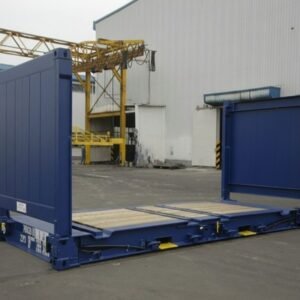
That extra foot might not sound significant, but it becomes very noticeable once insulation, subflooring, ceiling panels, and any ductwork or lighting fixtures are factored into a real conversion. Standard-height containers can start to feel genuinely cramped once those finishing layers eat into the interior space; the high cube version absorbs that loss and still leaves a comfortable, walkable ceiling height. 40ft high cube container
Why Builders Prefer High Cube for Conversions
Nearly anyone planning a serious container conversion gravitates toward the high cube option, and the reasons go beyond simple comfort.
Ceiling height after finishing. Once you've added a vapor barrier, spray foam or panel insulation, and interior wall and ceiling coverings, a standard container's usable height shrinks noticeably. High cube containers give enough of a buffer that the finished ceiling still feels like a normal room rather than something you're ducking under.
Room for mechanical systems. HVAC ductwork, electrical conduit, plumbing lines, and recessed lighting all need physical space to run through, and the extra vertical clearance in a high cube unit makes routing these systems far less restrictive.
Loft and storage potential. The additional height opens up options like loft sleeping areas, overhead storage, or raised ceiling detailing that simply aren't feasible in a standard-height unit without sacrificing usable floor-level space.
Larger window and door options. Taller wall sections allow for bigger cutouts, including clerestory windows near the roofline, which help bring in natural light and reduce the boxed-in feeling that comes with converting steel into livable space.
Common Projects Using 40ft High Cube Containers
This size and height combination shows up constantly in full container home builds, since the extended length combined with the added ceiling height provides enough room for genuinely separate living zones, a kitchen, bathroom, and bedroom, without feeling like a cramped studio apartment. It's equally popular for workshops, art studios, and home gyms, where the taller ceiling accommodates equipment, storage racks, or simply the feeling of an open workspace rather than a confined one.
Commercially, 40ft high cube containers are widely used for pop-up retail, restaurants, classrooms, and mobile offices, especially where the business wants the space to feel less like a converted shipping container and more like a genuine storefront or workspace. Multiple units are also frequently combined, stacked or arranged side by side, to build larger modular structures like apartment complexes or multi-room commercial buildings, where the consistent extra height keeps ceiling lines uniform across the entire structure. 40ft high cube container
New vs. Used High Cube Options
As with any container purchase, condition significantly affects both price and suitability. One-trip or new containersoffer the cleanest structural condition, having completed only a single shipping journey, making them ideal when appearance and long-term durability both matter. Used cargo-worthy containers have seen active shipping service and show some cosmetic wear but remain structurally solid, typically representing the best value for most conversion budgets. Wind and watertight units, while sometimes available in high cube form, are generally a poor fit for serious conversion projects since they're older and no longer certified for active shipping duty.
For any build involving significant cutting, welding, or structural modification, spending more for a one-trip or high-grade cargo-worthy container tends to be worth the investment.
Pricing and Availability
High cube containers typically cost more than standard-height units of the same length, reflecting the additional steel required. Because they make up a smaller share of the overall global container fleet, availability can also vary more by region than standard containers, sometimes requiring buyers to wait longer or pay a premium in areas with limited local supply. As always, requesting quotes from a few local suppliers gives a far more accurate sense of real costs than relying on generalized online estimates.
Confirming You're Getting a Genuine High Cube Unit
Because the height difference isn't always obvious from photos, it's worth confirming directly via the container's CSC plate, which lists officially certified dimensions. This small step prevents the surprisingly common issue of buyers discovering, after delivery, that what was listed as high cube was actually a standard-height container.
How much taller is a 40ft high cube container than a standard one? A standard 40ft container is about 8.5 feet tall externally, while the high cube version reaches roughly 9.5 feet, providing about one additional foot of height, most of which translates to added interior clearance after flooring.
Is the extra cost of a high cube container worth it? For most conversion projects involving insulation, flooring, or interior finishing, yes. The added height noticeably improves comfort and design flexibility, and most buyers find the price difference reasonable relative to the overall project cost.
Can multiple 40ft high cube containers be combined into a larger building? Yes, this is a common approach for larger residential or commercial builds. Keeping the same height across all units ensures consistent ceiling lines and simplifies structural planning.
Are 40ft high cube containers harder to find than standard ones? In some regions, yes, since they represent a smaller portion of the overall container fleet. Availability varies by location, so checking with multiple local suppliers is often necessary to find the right unit.
Do high cube containers need special handling during delivery or stacking? Their slightly higher center of gravity means extra care is warranted during stacking or placement in windy areas, though standard delivery logistics otherwise remain similar to non-high-cube units.
How can I confirm a listed container is genuinely high cube? Check the CSC plate attached to the unit, which lists certified official dimensions. This is the most reliable way to verify height, since visual estimation from photos can be misleading.


Reviews
There are no reviews yet.