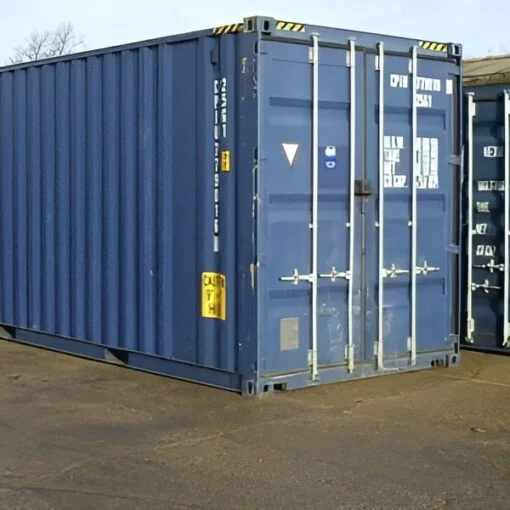
Description
20 Foot High Cube Container:
What Makes This Size So Popular
If you've spent any time researching shipping containers for a build project, you've probably noticed the term "high cube" popping up again and again, especially alongside the 20-foot size. It sounds like a small detail, but that extra height changes what's actually possible with a container, and for a lot of buyers, it ends up being the difference between a cramped conversion and a genuinely comfortable finished space. Here's everything worth understanding about the 20-foot high cube container before you buy one.
What Is a 20-Foot High Cube Container, Exactly?
A standard 20-foot container measures roughly 20 feet long, 8 feet wide, and 8.5 feet tall. The high cube version keeps the same length and width but adds an extra foot of height, bringing it to about 9.5 feet tall externally, with roughly 8 feet, 10 inches of usable interior clearance once you account for the floor structure.
That single extra foot doesn't sound dramatic on paper, but once you start adding insulation, subflooring, ceiling fixtures, or HVAC ductwork to a conversion project, that reclaimed headroom becomes genuinely valuable. Standard-height containers can start to feel tight once finishing materials eat into the interior space; high cube units give you enough of a buffer that the final result doesn't feel like you're ducking under a low ceiling all day. 20 foot high cube container
Why Choose High Cube Over a Standard Container
For pure storage, a standard 20-foot container is usually just fine, since you're not adding interior finishes that eat into the ceiling height. But for almost any conversion project, high cube tends to be worth the modest price difference.
More comfortable finished ceilings. Once insulation, a vapor barrier, and interior paneling go in, a standard container can end up with a ceiling height that feels noticeably low, especially for taller individuals. High cube containers absorb that loss without leaving you hunched or claustrophobic.
Room for mechanical systems. HVAC ductwork, electrical conduit, and lighting fixtures all need somewhere to go, and the extra vertical space in a high cube gives installers room to work without dropping the ceiling excessively low.
Better natural light potential. Taller walls mean more room for larger windows or clerestory-style openings near the ceiling line, which helps offset the enclosed feeling that comes with converting a steel box into livable or workable space.
Improved airflow. More cubic footage inside means air circulates a bit more freely, which matters in warmer climates before HVAC systems kick on, or in spaces with less ventilation infrastructure.
Common Uses for a 20-Foot High Cube Container
This size and configuration shows up constantly in home office conversions, tiny house builds, art studios, backyard gyms, and small retail pop-ups. The added ceiling height makes it a favorite for anyone planning to spend real time inside the space rather than just using it for storage.
It's also popular in modular building projects, where several high cube units get combined side by side or stacked to create larger structures like guest houses, multi-room offices, or small apartment units. The consistent extra height across units keeps ceiling lines uniform throughout a multi-container build, which matters more than people expect once interior finishing begins.
New vs. Used High Cube Containers
Just like standard containers, high cube units come in a range of conditions. One-trip or new containers have completed a single shipping journey and show minimal wear, ideal for conversions where appearance and structural integrity both matter. Used cargo-worthy containers have seen active service but remain structurally sound, usually offering the best balance of cost and quality for most conversion projects. Wind and watertight units are older and no longer meet active shipping standards, better suited to basic storage than any project involving cutting openings or heavy modification.
For conversion projects specifically, most buyers find that spending slightly more for a one-trip or high-grade cargo-worthy container pays off once cutting, welding, and structural reinforcement enter the picture.
Pricing Considerations
High cube containers typically cost somewhat more than standard-height units of the same length, reflecting the additional steel used in construction. Pricing also shifts based on your distance from major ports, current shipping demand, and container condition. As with any container purchase, getting quotes from a couple of local suppliers tends to reveal more accurate pricing than relying on national averages, since regional availability swings costs considerably.
What to Check Before Buying 20 foot high cube container
Inspect for rust around the corner castings and floor rails, since that's typically where structural issues start first. Confirm the doors seal and latch properly, and ask directly whether the container is genuinely a high cube model, since the size difference isn't always obvious from photos alone; checking the container's CSC plate, which lists official dimensions, is the most reliable way to confirm. 20 foot high cube container
How tall is a 20-foot high cube container compared to a standard one? A standard 20-foot container is about 8.5 feet tall externally, while a high cube version stands roughly 9.5 feet tall, giving about a foot of extra interior clearance once flooring and structure are accounted for.
Is a high cube container worth the extra cost? For most conversion projects involving insulation, flooring, or interior finishing, yes. The added height makes a noticeable difference in how comfortable the finished space feels, especially once ceiling materials and mechanical systems are installed. 20 foot high cube container
Can a 20-foot high cube container be used for storage only? Absolutely, though for pure storage without interior finishing, the extra height offers less practical benefit compared to a standard container, since you're not losing headroom to insulation or paneling.
How do I know if a container is genuinely a high cube model? Check the CSC plate attached to the container, which lists official dimensions and specifications. This is more reliable than visual estimation, since the height difference can be subtle in photos.
Do high cube containers require special foundations? Foundation requirements are generally similar to standard containers, typically concrete piers, a slab, or compacted gravel depending on local building codes and ground conditions, though the slightly heavier structure may warrant confirming load specifications with a local contractor. 20 foot high cube container
Can I combine multiple 20-foot high cube containers into a larger structure? Yes, this is a common approach for larger builds like guest houses or multi-room offices. Using the same size and height across all units keeps ceiling lines consistent and simplifies the structural planning process. 20 foot high cube container.

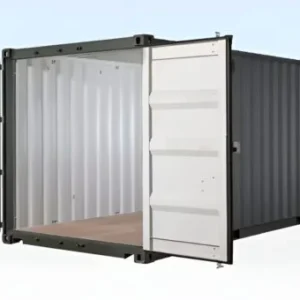

Reviews
There are no reviews yet.