Description
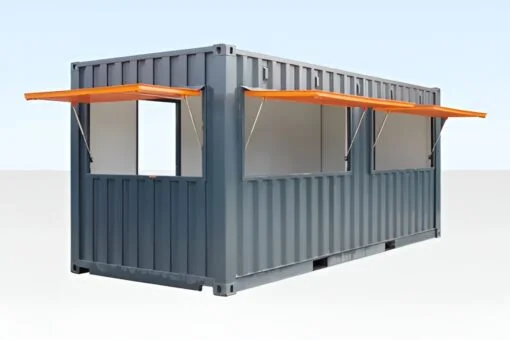
Container coffee shop
Walk through almost any trendy neighborhood, food festival, or up-and-coming business district these days, and you'll likely spot one: a sleek little coffee shop built entirely out of a repurposed shipping container. What used to be a niche curiosity has quietly turned into one of the smartest ways for entrepreneurs to break into the coffee business without the crushing overhead of a traditional storefront. If you've been considering opening a café but the numbers on a full brick-and-mortar space never quite added up, a container coffee shop might be the answer you've been looking for. container coffee shop
Why Container Coffee Shops Are Taking Off
The appeal isn't just aesthetic, though the industrial-chic look certainly helps. It comes down to economics and flexibility in ways that matter enormously to a new business owner. container coffee shop
Dramatically lower startup costs. Leasing a traditional retail space often means committing to a long-term contract, paying for buildout, and absorbing months of rent before you've served a single cup. A container conversion sidesteps most of that. You're working with a structure that already exists, so the bulk of your investment goes toward equipment, plumbing, and finishing rather than construction from the ground up.
Faster time to opening. While a conventional café buildout can take the better part of a year once permits and construction delays are factored in, a container coffee shop can often go from purchase to opening day in a matter of months.
Mobility and flexibility. Container units can be relocated if a location doesn't perform, or if a better opportunity opens up elsewhere. Try doing that with a traditional lease.
Built-in marketing appeal. There's something about a coffee shop built from a shipping container that photographs well and draws curiosity. Customers notice it, snap a picture, and share it, which does more organic marketing for a new business than most paid campaigns manage in the same timeframe.
What Goes Into Building One container coffee shop
A raw container needs quite a bit of transformation before it's ready to serve customers. Plumbing has to be installed for sinks and espresso equipment, along with a grease trap and proper drainage depending on local health codes. Electrical work needs to support commercial-grade coffee machines, refrigeration, and lighting, which usually means upgrading well beyond what a standard container conversion would require for residential use.
Ventilation is critical too, since brewing equipment generates heat and steam that needs somewhere to go. Most owners cut large service windows into one or both long sides of the container, creating a walk-up or drive-thru style ordering setup that works well for a compact footprint. Interior finishing typically includes food-safe flooring, wall paneling that can handle moisture, and enough counter space to keep a barista working efficiently in tight quarters.
Exterior branding matters more here than in almost any other container conversion project. Because the whole point is to catch eyes and draw foot traffic, paint, signage, lighting, and even window box planters all play a role in making the space feel inviting rather than industrial and cold.
Popular Layouts and Design Choices
Most container coffee shops fall into one of a few common layouts. A single-container walk-up design works well for small lots or pop-up locations, with one or two service windows and minimal indoor seating. A double-container setup, with two units placed side by side or in an L-shape, allows for indoor seating alongside the working coffee bar, giving customers somewhere to sit rather than just grab and go. Some owners go further, adding an attached outdoor patio with umbrellas and seating to extend the space without adding another container.
Design trends currently lean toward mixing the exposed steel exterior with warm wood accents, greenery, and string lighting, softening the industrial base material into something that feels welcoming rather than stark.
Is a Container Coffee Shop Right for Your Business?
This model works especially well for entrepreneurs targeting high-foot-traffic areas like parks, business parks, event venues, or up-and-coming commercial strips where a full storefront lease isn't yet justified by expected volume. It also suits owners who want the option to relocate if a location underperforms, something a fixed lease simply doesn't allow.
It's less ideal for businesses aiming for a large seated café experience, since space constraints limit how much indoor seating you can realistically offer without adding multiple units. Cold climates also require extra attention to insulation and heating costs, since steel doesn't retain warmth the way a traditional building does.
For the right concept, though, a container coffee shop offers a rare combination: lower risk, faster launch, and a built-in visual identity that a generic storefront often struggles to match.
How much does it cost to open a container coffee shop? Costs vary significantly based on container size, equipment quality, and local permitting requirements, but the overall investment is generally lower than a comparable traditional café buildout, mainly because the structural shell already exists and doesn't need to be built from scratch.
Do I need a special permit to open one? Yes. Because it involves food and beverage service, most areas require the same health department approvals, plumbing permits, and business licenses as any traditional café, along with zoning approval for the container structure itself.
Can a container coffee shop be moved to a new location? In many cases, yes, which is one of its biggest advantages over a traditional lease. Depending on how it's anchored to the ground and connected to utilities, relocation is often more feasible than moving a conventional storefront, though it still requires planning and professional help.
How much space do I actually need inside? A single 20-foot container offers enough room for a compact walk-up service model, while a 40-foot container or a combination of two units provides space for indoor seating and a more traditional café layout.container coffee shop
Is a container coffee shop good for cold climates? It can work well in cold weather, but it requires proper insulation, a reliable heating system, and attention to keeping pipes from freezing during the off-season, since steel doesn't insulate against temperature swings on its own.
How long does it take to build one out? Timelines vary depending on complexity, but most container coffee shop conversions move considerably faster than traditional construction, often ready to open within a few months rather than the better part of a year. container coffee shop
Reviews
There are no reviews yet.