Description
Shipping Container 20 Feet
When people start researching shipping containers, the 20-foot size almost always comes up first, and it's not by accident. It's the original standard the entire global shipping industry was built around, and that same versatility has made it the go-to choice for everything from backyard storage to full home builds. If you're trying to figure out whether a 20-foot container fits your project, here's everything worth knowing before you buy.
What Exactly Is a 20-Foot Shipping Container?
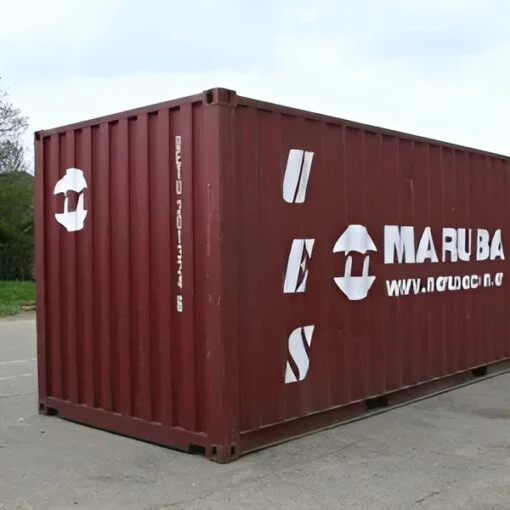
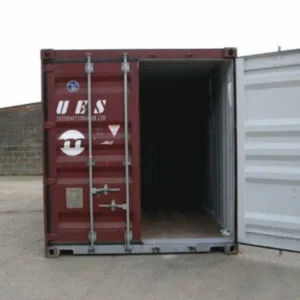
A standard 20-foot container measures roughly 20 feet long, 8 feet wide, and 8.5 feet tall, giving you about 160 square feet of usable floor space. There's also a "high cube" version that adds an extra foot of height, which matters more than people expect once you start adding insulation, flooring, or ceiling fixtures for a conversion project.
Built from corten steel, these boxes are designed to survive years of ocean transport, meaning they're stacked, dragged, rained on, and battered by salt air without failing structurally. That toughness is exactly why they've found a second life far from the docks.
Why the 20-Foot Size Is So Popular
The 40-foot container gets a lot of attention for bigger builds, but the 20-foot version wins out in situations where space, weight, or budget are tighter constraints.
Easier to place. A 20-footer fits into yards, driveways, and lots where a 40-foot container simply wouldn't have room to maneuver. Delivery trucks can often position it with less site prep.
Lower cost. Naturally, a smaller container costs less to buy and less to ship, which matters whether you're planning one unit or several.
More flexible layout options. Because it's a shorter, more manageable footprint, a 20-foot container is easier to pair with others in a modular design, stacked or arranged side by side to build something larger without losing structural simplicity.
Ideal for single-purpose use. Storage, a home office, a workshop, a pop-up shop, a guest studio; most single-purpose projects don't actually need 40 feet of length, and paying for space you won't use rarely makes sense.
Common Uses for a 20-Foot Container
Storage remains the most common use by a wide margin. Homeowners, contractors, and small businesses use them to secure tools, inventory, seasonal equipment, or overflow items without the cost of a permanent structure.
Beyond storage, 20-foot containers regularly get converted into backyard offices, art studios, tiny homes, garden sheds, mobile retail units, and even swimming pools once cut and reinforced properly. Their manageable size also makes them popular for temporary jobsite offices on construction projects, since they can be moved from site to site as needed.
New vs. Used: What's the Difference?
Buyers typically choose between three conditions. New, or "one-trip," containers have made a single journey from the factory and look close to brand new, with no rust, dents, or major wear, though they cost more. Used, cargo-worthy containers have been in active shipping rotation, show some cosmetic wear, but remain structurally sound and are usually the best value for storage or light conversion projects. Wind and watertight (WWT) containers are older units that no longer meet shipping standards but still keep contents dry and secure, making them a budget option for basic storage where appearance and precision aren't priorities.
For anything you plan to convert into living or working space, cargo-worthy or one-trip condition is worth the extra cost, since structural integrity matters more once you're cutting openings for doors and windows.
What Affects the Price of shipping container 20 feet
Location plays a bigger role in pricing than most first-time buyers expect. Containers near major ports tend to cost less simply because there's less trucking involved. Condition, availability in your region, and current shipping demand all shift prices too, sometimes significantly within the same year. It's worth getting quotes from a couple of local suppliers rather than assuming national average prices will apply to your area.
Things to Check Before You Buy shipping container 20 feet
Always ask about the container's history and condition before committing. Look for excessive rust, especially around the floor and corner castings, since that's where structural failure is most likely to start. Check that doors open and seal properly, and ask whether the floor has been chemically treated, since older containers sometimes used pesticide treatments that matter if you're planning residential conversion. A quick in-person inspection, or clear photos if buying remotely, can save a lot of frustration later.
How much does a 20-foot shipping container cost? Prices vary by condition and location, but used cargo-worthy units are generally the most affordable option, one-trip containers cost more due to their near-new condition, and WWT containers are the cheapest but best suited for basic storage rather than conversion projects.
How much weight can a 20-foot container hold? Standard 20-foot containers are rated to carry several tons of cargo internally, and their steel frame construction also allows them to be stacked several units high when empty, which is part of why they're so structurally reliable for building projects. shipping container 20 feet
Can a 20-foot container be turned into a livable space? Yes, with proper insulation, electrical work, ventilation, and interior finishing, a 20-foot container can become a functional tiny home, office, or studio. It offers enough space for a compact single-room layout but is often paired with additional units for larger living arrangements.
Do I need a permit to place one on my property? In most areas, yes, especially if it will be used as anything beyond temporary storage. Requirements vary by city and county, so checking local zoning and building codes before purchase is strongly recommended.
How long do shipping containers typically last? With basic rust prevention and maintenance, a shipping container can last well over 20 years, and even longer in drier climates with less exposure to moisture. Shipping Container 20 Feet
Can a 20-foot container be delivered anywhere? Most suppliers can deliver to residential and commercial properties, though narrow driveways, overhead obstacles, or limited turning space can complicate placement. It's best to confirm site access with the delivery company ahead of time. Shipping Container 20 Feet.

Reviews
There are no reviews yet.