

Description
Used 20 Foot Shipping Container: What Buyers Need to Know
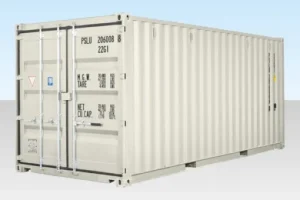
For most people shopping for a container, "used" isn't a compromise, it's the smart default. A used 20-foot shipping container offers nearly all the durability of a brand-new unit at a meaningfully lower price, which is exactly why it's the most commonly purchased option across the US resale market. But "used" covers a wide range of actual conditions, and knowing what you're really buying makes the difference between a great deal and a costly headache. Here's what to look for.
What "Used" Actually Means
Unlike a lot of secondhand products, a used shipping container isn't a vague, one-size-fits-all category. The industry generally sorts used containers into a couple of clear condition tiers, and understanding them is the first step to buying confidently.
Cargo-worthy (CW) containers have been in active international shipping service but remain structurally certified for continued cargo transport.
These typically show some cosmetic wear, minor surface rust, small dents, faded paint, but the structural integrity remains solid. This tier represents the sweet spot for most buyers, offering strong durability at a noticeably lower price than new units.
Wind and watertight (WWT) containers have aged out of certified shipping use but still keep contents dry and secure. They generally show more visible wear than cargo-worthy units and may have small areas of rust or minor structural imperfections that don't affect basic function. These are the most budget-friendly option, well suited for simple storage but generally not recommended for conversion projects involving structural cutting.
Some sellers also offer "as-is" containers, essentially unsorted or unverified condition, which can occasionally offer a bargain but come with considerably more risk and should only be considered with a thorough in-person inspection.
Why Buyers Choose used 20 foot shipping container Over New
The price difference between new and used is usually significant, and for a lot of practical use cases, the trade-off makes complete sense. Storage doesn't require pristine condition, so paying a premium for a one-trip container often doesn't add real value if the container is simply going to hold tools or equipment in a backyard. used 20 foot shipping container
Even for many conversion projects, a cargo-worthy used container provides more than enough structural integrity to support insulation, framing, and interior finishing without the added cost of near-new condition.
Used containers are also generally more readily available, since they make up the bulk of what's actively circulating through dealers and depots across the country, meaning shorter wait times and more local options to choose from.
What to Inspect Before Buying
A little diligence goes a long way with any used purchase, and containers are no exception. Walk the full exterior checking for rust, particularly around the corner castings, floor rails, and door hinges, since these areas typically show structural wear first.
Open and close the doors completely to confirm they operate smoothly and seal properly, since a poor seal can lead to moisture problems down the line.
Step inside and inspect the floor closely for soft spots, staining, or unusual odors, all of which can indicate past water damage or contamination. Look up at the roof seams from inside, ideally with the doors closed to check for visible daylight, which would signal a potential leak point. If you're not comfortable assessing condition yourself, some buyers bring a contractor or handyman along for a quick second opinion before committing.
Questions to Ask the Seller
Beyond a visual inspection, a few direct questions help fill in details you can't always see. Ask about the container's shipping history and approximate age, since older units generally show more wear even within the same condition grade. Ask specifically whether the floor is original wood decking and what chemical treatment, if any, was applied, particularly important if you're planning residential conversion. Request the container's identification number and, ideally, a photo of the CSC plate confirming certified dimensions and inspection status.
Pricing Expectations
Used cargo-worthy containers typically cost noticeably less than new or one-trip units, while wind and watertight containers sit at the most affordable end of the pricing spectrum. Location plays a significant role too, buyers near major ports generally see better pricing due to shorter delivery distances, while inland buyers should expect delivery costs to make up a larger portion of the total price. As always, getting quotes from a few local suppliers gives a far more accurate sense of fair pricing than relying on generic national estimates.
When Used Isn't the Right Choice
For projects requiring heavy structural modification, multiple large window or door cutouts, or stacking configurations, spending more for a higher-grade used or one-trip container can be worth it, since structural surprises become more costly to fix once cutting and welding are underway. If appearance matters significantly, such as a customer-facing retail conversion, a cleaner used unit or new container may also justify the extra cost. used 20 foot shipping container
Is a used 20 foot shipping container safe to convert into living or working space? Yes, particularly cargo-worthy units, which remain structurally solid despite cosmetic wear. Wind and watertight containers are generally better suited to basic storage rather than heavy structural modification.
How much cheaper is a used container compared to a new one? The price difference is typically significant, with used cargo-worthy units costing noticeably less than new or one-trip containers, and wind and watertight units offering the lowest price point of all.
What should I check first when inspecting a used container? Focus on rust around the corner castings, floor rails, and door hinges, confirm the doors seal and operate properly, and check the interior floor for soft spots or staining that could indicate past damage.
Are used containers still structurally strong enough to stack? Cargo-worthy containers generally retain their stacking capability, since they remain certified for continued shipping use. Wind and watertight units may have reduced stacking reliability depending on their specific condition.
How do I know if a used container has been treated with harmful chemicals? Ask the seller directly about the floor's treatment history. Many older containers used pesticide treatments on wood flooring, which matters especially for residential conversion projects, and reputable sellers should be able to answer this clearly.
Is it worth paying extra for a higher-grade used container? For projects involving significant structural modification or a customer-facing use case where appearance matters, yes. For basic storage or simple conversions, a standard cargo-worthy unit is generally more than sufficient. used 20 foot shipping container

Reviews
There are no reviews yet.