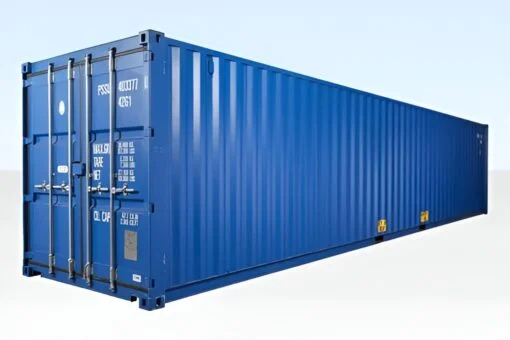
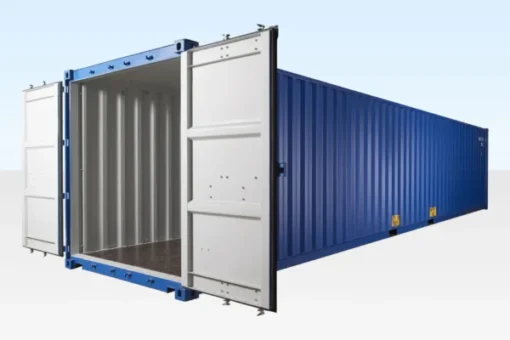
Description
40FT Shipping Container: The Complete Guide to Size, Uses, and Cost
When a project outgrows what a 20-foot container can handle, the 40-foot shipping container is almost always the next logical step. It's the workhorse of the global shipping industry, moving the majority of ocean freight worldwide, and that same scale has made it just as popular for land-based projects, from massive storage needs to full residential builds. If you're weighing whether a 40-footer is the right size for what you have planned, here's what you need to know. 40ft shipping container
Understanding the Dimensions 40ft shipping container
A standard 40-foot shipping container measures roughly 40 feet in length, 8 feet in width, and 8.5 feet in height, giving you close to 320 square feet of usable floor space, exactly double what a 20-foot container offers. There's also a high cube version available, which adds an extra foot of height, bringing the total to about 9.5 feet externally. That additional headroom matters considerably once insulation, flooring, and ceiling finishes come into play for any conversion project.
Built from the same corten steel used across the shipping industry, 40-foot containers are engineered to handle years of ocean transport, extreme weather, and heavy stacking loads, which is exactly why they hold up so well once repurposed for storage, workspace, or housing.
Why Choose a 40-Foot Container Over a 20-Foot One
The decision often comes down to how much usable space a project genuinely requires, but there are a few other factors worth weighing.
More space per delivery. Rather than ordering and placing two 20-foot units, a single 40-foot container gets you the same square footage in one delivery, one set of connections, and one continuous structure without a seam in the middle.
Better cost efficiency at scale. While a 40-foot container costs more upfront than a 20-foot unit, the price per square foot is typically lower, making it the more economical choice for larger projects.
Simpler structural planning. One long container is often easier to design around than combining multiple smaller units, especially for projects like full home builds, large workshops, or expansive retail spaces.
More flexibility for interior zoning. The extra length makes it realistic to divide the interior into multiple functional areas, a reception space and a work area, a kitchen and a living area, or a sales floor and a storage room, all within a single unit.
The trade-off is that 40-foot containers need considerably more space to place and maneuver, and they're heavier, which can affect delivery logistics and foundation requirements.
Common Uses for a 40-Foot Container
Storage remains a major use case, particularly for businesses needing to house large volumes of inventory, equipment, or seasonal stock. Beyond storage, 40-foot containers are widely used for full home conversions, since the extended length provides enough room for a genuine living space complete with a kitchen, bathroom, and separate sleeping area.
They're also common in commercial applications: pop-up retail stores, restaurants, mobile offices, classrooms, and medical clinics in temporary or remote locations. Construction companies frequently use them as jobsite offices or secure equipment storage, since the extra room accommodates desks, plan tables, and tool storage in one structure. Multiple 40-foot units are also regularly combined side by side or stacked to create larger modular buildings, including apartment complexes and multi-room commercial spaces.
New vs. Used 40-Foot Containers
As with any container purchase, condition plays a major role in both price and suitability. One-trip or new containershave completed only a single shipping journey, arriving in near-flawless condition, ideal for conversion projects where structural integrity and appearance both matter. Used cargo-worthy containers have seen active service, show cosmetic wear, but remain structurally solid, generally offering the best value for most projects. Wind and watertight units are older, no longer certified for active shipping, and best reserved for basic storage rather than any project involving structural modification.
For full conversions, especially residential builds, spending more for a one-trip or high-grade cargo-worthy unit tends to pay off once cutting, welding, and reinforcement work begins.
What Affects the Price of 40ft shipping container
Container pricing shifts based on several factors: proximity to major ports, current global shipping demand, container condition, and regional availability. Buyers located farther inland typically pay more due to trucking costs, while those near coastal shipping hubs often find better pricing and selection. It's worth requesting quotes from a few local suppliers rather than relying on national average estimates, since prices can vary meaningfully even between neighboring regions.
Delivery and Placement Considerations
Because of their size and weight, 40-foot containers require more careful planning for delivery. A clear, level path is essential, along with enough clearance for the delivery truck to maneuver into position, sometimes requiring a specialized tilt-bed trailer or crane depending on site access. Confirming these logistics with your supplier before purchase can prevent costly surprises on delivery day.
How much does a 40ft shipping container cost? Pricing depends heavily on condition, location, and current market demand, but a 40-foot container typically costs more than a 20-foot unit overall, while offering a lower price per square foot, making it more cost-efficient for larger projects.
How much weight can a 40ft container hold? Standard 40-foot containers are rated to carry substantial cargo weight, generally more than double the capacity of a 20-foot unit, and their steel construction also supports significant stacking loads when empty.
Can a 40ft container be converted into a full home? Yes, its extended length provides enough room for a complete living space, including separate areas for a kitchen, bathroom, and bedroom, making it one of the most popular sizes for container home builds.
Is a 40ft container harder to deliver than a 20ft one? Generally yes, due to its greater length and weight. Sites need adequate space and clear access for the delivery vehicle, and some locations may require specialized equipment like a crane or tilt-bed trailer.
What's the difference between a standard and high cube 40ft container? A standard 40-foot container is about 8.5 feet tall, while the high cube version adds roughly one extra foot of height, which is especially valuable for conversion projects involving insulation, flooring, and interior finishing.
Do I need a permit to place a 40ft container on my property? In most areas, yes, particularly for anything beyond short-term storage. Requirements vary by city and county, so it's important to check local zoning and building codes before finalizing a purchase. 40ft shipping container.


Reviews
There are no reviews yet.