Description
30ft container
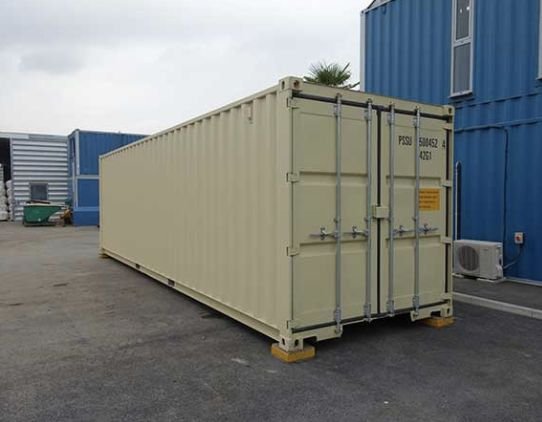
The 30ft container occupies an interesting spot in the world of shipping containers, big enough to handle serious projects, but compact enough to avoid the space and cost demands of a full 40-foot unit. It's less talked about than its more famous counterparts, yet it solves a specific problem that a lot of buyers don't realize they have until they start comparing sizes side by side. Here's a full rundown of what this size actually offers.
Basic Specifications
A standard 30-foot container measures approximately 30 feet in length, 8 feet in width, and 8.5 feet in height, translating to roughly 240 square feet of interior floor space. That's exactly 1.5 times the footprint of a 20-foot container, and three-quarters the size of a full 40-foot unit, landing squarely in between the two most common sizes on the market. 30ft container
A high cube version is also available, adding approximately one extra foot of exterior height, bringing total height to around 9.5 feet, valuable for anyone planning interior finishing where insulation, flooring, and ceiling materials will eat into usable headroom.
Built from the same corten steel used across the entire shipping container industry, a 30-foot unit carries the same structural strength, weather resistance, and security benefits that make containers such a popular building material, regardless of length.
How This Size Came to Exist
Unlike 20 and 40-foot containers, which were established as the global standard for international ocean freight decades ago, the 30-foot size was never part of that same shipping standardization. Most 30-foot containers circulating today exist because manufacturers or fabricators built them specifically for domestic resale markets, or because a 40-foot container was professionally cut down and reinforced to this shorter length. Understanding this origin matters mostly for buyers, since it explains why this size shows up less frequently in general container listings compared to the two standard shipping sizes.
What Makes This Size Practically Useful
The 30-foot container solves a specific sizing problem that a lot of buyers run into without realizing it upfront. A 20-foot container sometimes feels too tight for projects needing distinct functional zones, a kitchen and living area, a workspace and a storage section, while a 40-foot container can feel like significant overkill in both space and cost for projects that don't actually need that much room. 30ft container
The 30-foot size closes that gap directly, offering enough length to comfortably divide the interior into two functional areas without paying for, or having to place, a full 40-foot structure. For properties with moderate but limited space, larger residential lots, small commercial parcels, this size can also fit more easily than a 40-footer, which sometimes requires site conditions a shorter unit doesn't.
Typical Applications
Home office conversions benefit from the extra room this size provides, allowing for a dedicated desk area plus a separate meeting or lounge zone without feeling cramped. Small workshops and studios use the additional length for equipment storage alongside active workspace, something a 20-foot unit often struggles to accommodate comfortably.
In commercial applications, 30-foot containers show up as compact retail spaces, coffee or food service units with room for both preparation and limited seating, and modest mobile offices needing more than basic single-desk space. Some buyers also use this size for accessory dwelling units or guest studios, particularly in areas where local zoning permits a moderate-sized secondary structure but not something as large as a full container home built from 40-foot units.
Structural Considerations
Whether a 30-foot container is purpose-built or modified from a longer unit affects structural planning slightly. Purpose-built units are engineered from the start at this length, generally offering straightforward structural predictability similar to standard 20 or 40-foot containers. Modified units, cut down from a 40-foot container, require professional reinforcement at the cut point to maintain structural rigidity, since removing a section of steel without proper reinforcement can compromise the container's strength and stacking capability.
For any conversion project, confirming which type you're working with, and reviewing how modification was handled if applicable, is a worthwhile step before finalizing structural or design plans.
Comparing Cost Against Standard Sizes
Because this size isn't part of the standard shipping fleet, its pricing doesn't always scale predictably between 20 and 40-foot costs. Limited manufacturing volume and less market competition among sellers can sometimes push the price per square foot higher than either more common size, even though the total cost typically remains lower than a full 40-foot unit. For buyers focused purely on cost efficiency, comparing quotes across a few specialty dealers matters more with this size than with more standardized options.
Is This Size the Right Call for Your Project?
If your space needs genuinely fall between what a 20 and 40-foot container comfortably offer, this size solves that gap directly rather than forcing a compromise in either direction. For projects with straightforward, single-purpose needs, either more common size will likely serve just as well, and potentially with easier sourcing and more competitive market pricing. 30ft container
How big is a 30ft container compared to standard sizes? It offers about 240 square feet of floor space, roughly 1.5 times a 20-foot container and about three-quarters the size of a 40-foot unit, making it a genuine middle-ground option in the container size lineup.
Is a 30ft container always modified from a larger size? Not always. Some are purpose-built specifically for this length, while others are professionally cut down from 40-foot containers. It's worth confirming which type you're buying, since it affects structural considerations.
What projects benefit most from a 30ft size? Projects needing more than one functional zone, like a workspace plus storage, or a living area plus a kitchen, often benefit from this size without requiring the full space and cost of a 40-foot container.
Does a modified 30ft container lose structural strength? Not if the modification includes proper professional reinforcement at the cut point. Poorly executed modifications can compromise structural integrity, so confirming reinforcement quality is an important step before purchase.
Is a 30ft container cheaper than a 40ft one? Generally in total price, yes, though the price per square foot can sometimes run higher due to more limited availability and less standardized market pricing compared to more common sizes.
Can a 30ft container be used for a full home conversion? It can support a compact home layout, particularly for single-occupant or minimalist living arrangements, though larger household needs are often better served by a 40-foot unit or multiple combined containers. 30ft container

Reviews
There are no reviews yet.