
Description
Cost of a 40 Foot Container: A Realistic Pricing Breakdown
cost of 40 foot container,"How much does a 40 foot container actually cost?" is one of those questions that sounds simple but rarely has a single straightforward answer. Prices swing based on condition, location, timing, and even global shipping trends that have nothing to do with your local market. If you're trying to budget realistically for a project, whether it's storage, a workshop, or a full home conversion, understanding what actually drives the price will save you from sticker shock and help you compare quotes intelligently.
The Main Factors That Drive Price
Before looking at actual numbers, it helps to understand why two "identical" 40-foot containers can be priced so differently.
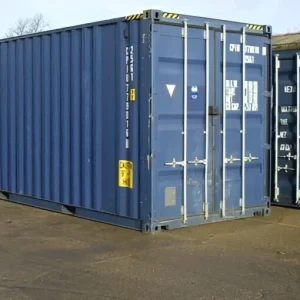
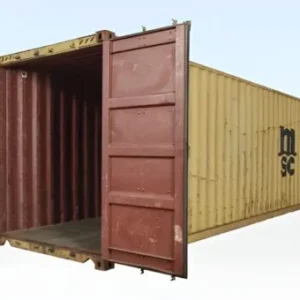
Condition is the biggest factor. A brand new or one-trip container, meaning it's completed only a single shipping journey, commands the highest price due to its near-flawless condition. A used, cargo-worthy container costs meaningfully less, since it's seen active shipping service and shows some cosmetic wear, though it remains structurally sound. A wind and watertight (WWT) unit, retired from active shipping duty, sits at the lowest end of the price range, since it's older and typically shows more visible wear.
Height matters too. Standard 40-foot containers cost less than high cube versions, which stand about a foot taller and use additional steel in construction. For projects involving interior finishing, the higher price of a high cube unit is often worth it, but for basic storage, sticking with standard height can meaningfully reduce cost. cost of 40 foot container
Location relative to major ports. Container pricing is heavily influenced by proximity to coastal shipping hubs. Buyers near major ports typically pay less, since containers don't need to travel as far inland. The farther you are from a port, the more delivery and trucking costs factor into your total price.
Global shipping demand. Container prices fluctuate with international shipping trends. When global freight demand is high, fewer containers get retired and sold domestically, tightening supply and pushing prices upward. When shipping slows, more containers enter the resale market, often softening prices.
Regional supply and demand. Even within the same country, container prices vary by region based on local dealer inventory, competition among suppliers, and how many containers are actively being resold nearby.
What's Typically Included (and What Isn't) in the Sticker Price
It's easy to look at an advertised container price and assume that's the full cost of getting one on your property, but that number usually reflects the container alone, sitting at the seller's depot.
Delivery is almost always a separate line item, and for a 40-foot container specifically, it can represent a meaningful portion of the total cost due to the size and weight involved. Site preparation, whether that's a gravel pad, concrete piers, or a full slab foundation, adds further cost and isn't included in the container price itself. If you're planning any modifications, cutting doors, windows, or vents, that work is billed separately, whether done by the container supplier or a third-party fabricator.
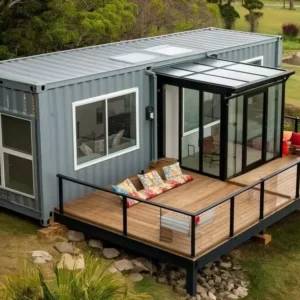
For conversion projects specifically, the container purchase price often ends up being a relatively small fraction of the total project budget once insulation, electrical work, plumbing, flooring, and interior finishing are factored in.
New vs. Used: Weighing the Price Difference
The gap between one-trip and used cargo-worthy pricing can be significant, and deciding which makes sense depends heavily on your project. For pure storage use, where appearance and pristine condition don't matter much, a used cargo-worthy container almost always represents the better value. For residential conversions or anything involving heavy structural modification, the added cost of a one-trip or high-grade used unit is often justified by better structural integrity and fewer surprises once cutting and welding begin.
Wind and watertight units, while the cheapest option, are generally not recommended for conversion projects, since their lower price often reflects deeper structural wear that becomes a liability once you start modifying the shell.
How to Get an Accurate Price for Your Project
Because so many variables affect final cost, generic online price ranges only go so far. The most reliable approach is requesting quotes directly from a few local suppliers, specifying condition, height, and delivery address upfront so the quotes are genuinely comparable. Asking each supplier to break out the container price, delivery fee, and any additional costs separately makes it far easier to spot which quote is actually the better deal, rather than comparing bundled totals that hide where the real costs are coming from.
Tips for Getting the Best Value
Timing can work in your favor if your project has flexibility. Watching regional pricing for a few weeks before committing sometimes reveals better deals, particularly if a local supplier is trying to move older inventory. Buying multiple units at once, if your project calls for it, can also open room for negotiated pricing that isn't available on a single-container purchase. And always factor delivery distance into your comparison between suppliers, since a slightly higher container price from a nearby dealer can easily beat a cheaper container from farther away once trucking costs are added in. cost of 40 foot container
What's the typical price range for a 40 foot container? Pricing varies significantly by condition, location, and current shipping demand, with used cargo-worthy units generally costing less than one-trip containers, and wind and watertight units sitting at the lowest end of the range. Checking local supplier quotes gives a far more accurate picture than relying on national averages.
Does the cost of a 40ft container include delivery? Usually not. Delivery is typically quoted separately and depends on distance from the supplier, site accessibility, and whether specialized equipment like a crane or tilt-bed trailer is required.
Is a used container significantly cheaper than a new one? Yes, used cargo-worthy containers generally cost noticeably less than one-trip units, making them a popular choice for storage and budget-conscious conversion projects where slight cosmetic wear isn't a concern.
Why do container prices fluctuate so much? Prices are influenced by global shipping demand, regional supply, proximity to ports, and container condition. When international shipping activity is high, fewer containers get resold domestically, which can push prices upward.
Are high cube containers more expensive than standard ones? Yes, generally due to the additional steel required for the extra height. The price difference is usually modest relative to the benefits for conversion projects but less necessary for basic storage use.
What additional costs should I budget for beyond the container price? Delivery, site preparation or foundation work, and any planned modifications like cutting doors or windows are typically separate costs. For full conversions, insulation, electrical, plumbing, and interior finishing usually represent the largest share of the total project budget.
Reviews
There are no reviews yet.