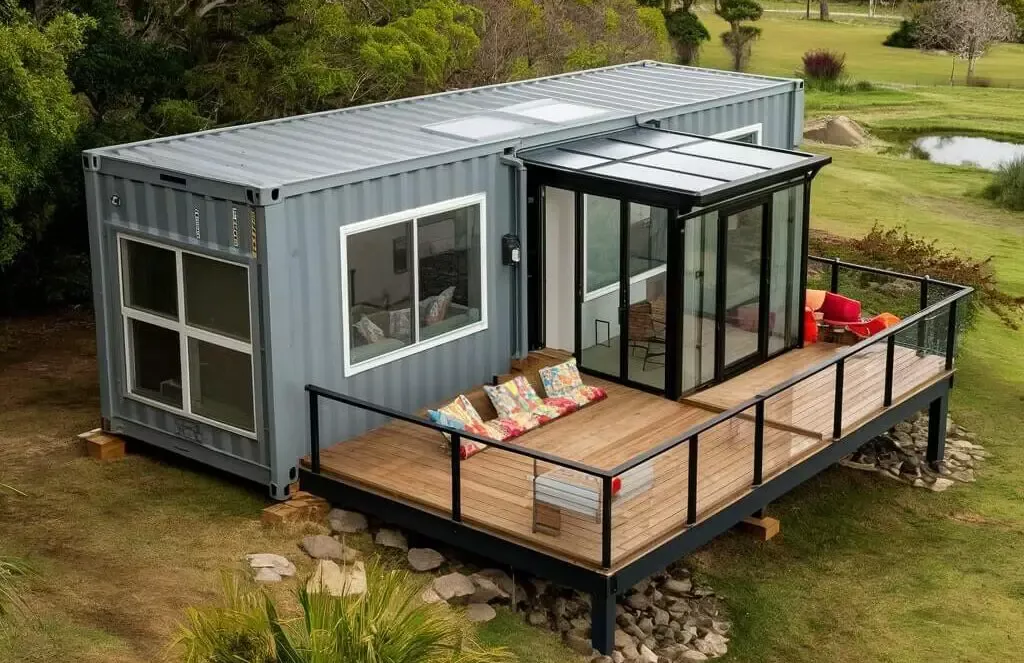
Description
shipping containers for homes for sale
The container home movement has grown from a niche experiment into a legitimate housing option, and with that growth has come a genuine market for shipping containers specifically marketed and sold for residential conversion. But buying a container intended for a home isn't quite the same as buying one for storage or a workshop. The stakes are higher, the requirements stricter, and the questions worth asking go well beyond basic condition checks. Here's a complete guide to navigating this specific corner of the container market.
What Makes a Container "Home-Ready"
Not every container advertised for sale is genuinely suited for residential conversion, even if a listing uses the phrase loosely. A container intended for home use should meet a higher bar than one destined for basic storage, since it will ultimately support insulation, plumbing, electrical systems, and the daily wear of actual living. shipping containers for homes for sale
Structural soundness matters more here than almost anywhere else in the container market. Rust around load-bearing points, corner castings, and floor rails becomes a much bigger concern once you're planning to cut openings for doors and windows, since compromised structural integrity can cause real problems mid-conversion. Floor condition matters significantly too, original wood decking should be checked for chemical treatment history, since some older containers used pesticide treatments that aren't ideal for residential environments without proper sealing or replacement.
New/One-Trip vs. Used for Home Conversion
For most residential projects, condition grade carries more weight than it would for a simple storage purchase. One-trip containers, having completed only a single international shipment, offer the cleanest structural starting point, minimal rust, no significant wear, and the most predictable foundation for a serious build. Many buyers planning a full container home specifically seek out this grade, since the added upfront cost often pays off in fewer surprises during construction.
Used cargo-worthy containers remain a viable option for home conversion, particularly for buyers working with a tighter budget, but require more thorough inspection before committing. Given the higher stakes of a residential build, it's worth having a contractor or structural professional review a used container before finalizing purchase, rather than relying solely on a visual inspection.
Wind and watertight units are generally not recommended for home conversion, since their lower price typically reflects deeper structural wear that becomes a serious liability once significant cutting and modification begin. shipping containers for homes for sale
Single vs. Multiple Container Homes
Buyers researching containers for home builds quickly discover that a single container rarely provides enough space for a complete, comfortable living arrangement. Many container homes combine multiple units, side by side, stacked, or in an L-shape configuration, to create enough square footage for separate bedrooms, a kitchen, bathroom, and living space.
When shopping for containers intended for a multi-unit build, buying matching condition, size, and height across all units matters considerably, both for structural consistency and to avoid mismatched ceiling lines or wall alignment during construction. Some sellers specifically offer container sets pre-matched for home building projects, which can simplify sourcing compared to buying individual units separately.
Questions Specific to Home-Intended Purchases
Beyond the standard condition questions relevant to any container purchase, buyers planning residential use should dig deeper into a few additional areas. Ask directly whether the container has ever been used to transport hazardous materials or chemicals, since residual contamination is a legitimate concern for anything intended as living space. Confirm the container's manufacture year and shipping history in more detail than you might for a storage purchase, since older units may show wear patterns less obvious in casual inspection but relevant to long-term residential use.
It's also worth asking sellers directly whether they have experience specifically supplying containers for home conversion projects, since specialty container suppliers focused on this market often provide more relevant guidance than general storage-focused dealers.
Zoning and Permitting Before You Buy
Before purchasing any container intended for a home, confirming local zoning and building code requirements is essential, and ideally happens before rather than after the purchase. Regulations for container homes vary dramatically across states, counties, and municipalities in the US; some areas embrace alternative building methods readily, while others impose significant restrictions or require extensive engineering documentation for approval.
Skipping this step is one of the most common and costly mistakes buyers make, purchasing containers and beginning conversion work only to discover local codes prohibit or heavily restrict the project as planned.
Budgeting Realistically shipping containers for homes
The container purchase itself typically represents a smaller portion of a full home conversion budget than first-time buyers expect. Insulation, electrical systems, plumbing, HVAC, interior and exterior finishing, and foundation work generally make up the largest share of total project costs. Getting a realistic sense of full project costs, not just container pricing, before committing helps avoid the common trap of underestimating what a genuine container home actually requires financially.
How many shipping containers do I need for a full home? It depends heavily on desired square footage and layout, but most complete container homes use at least two to four units combined, since a single container rarely provides enough space for separate living, sleeping, and bathroom areas.
Is a used container safe for building a home? It can be, particularly cargo-worthy grade units, but thorough inspection, ideally by a contractor or structural professional, is strongly recommended given the higher stakes involved in residential construction compared to basic storage use.
Do I need special permits for a shipping container home? In most areas, yes. Requirements vary significantly by state, county, and city, so confirming local zoning and building codes before purchasing containers is an essential first step, not an afterthought.
Should I worry about a container's past cargo history? It's worth asking directly, particularly whether a container has been used to transport hazardous materials, since residual contamination is a legitimate concern for anything intended as living space.
What percentage of a container home's cost goes toward the containers themselves? Typically a smaller portion than most buyers expect. Insulation, electrical, plumbing, HVAC, and interior finishing usually represent the largest share of total project costs, not the containers themselves. shipping containers for homes for sale
Can I mix container sizes in a single home build? It's possible, but matching size, condition, and height across units generally simplifies structural planning and avoids alignment issues, so many builders prefer sourcing matched units specifically intended for combined home construction. shipping containers for homes for sale



Reviews
There are no reviews yet.